
Joint & Tendon Support
Explored for knees, shoulders, hips and other joints where wear, inflammation or old injuries limit comfort and movement.

Treatments at Transformity Health
Regenerative Support, Guided by Science.
Stem cell and exosome therapies aim to support the body's own repair signals. At Transformity Health they are offered thoughtfully, with clear guidance on what is proven and what is still emerging.
Regenerative Medicine
Stem cells are the body's raw building blocks, capable of developing into specialized cells and releasing signals that influence repair. Exosomes are tiny messengers released by cells, carrying proteins and genetic material that help coordinate healing and calm inflammation. Rather than replacing tissue directly, both approaches aim to change the environment around injured or aging tissue so the body can repair itself more effectively.
In practice, regenerative therapies are being explored for joint and tendon problems, recovery after injury, skin and hair rejuvenation, sexual wellness and general vitality. The research is promising in some areas and still early in others, which is why honest guidance matters as much as the treatment itself.
It is important to know that most stem cell and exosome applications are considered investigational and are not FDA approved for orthopedic or healthy aging use. At Transformity Health, these therapies are offered only after a full medical evaluation, with informed consent and realistic expectations.
Because every patient's situation is different, Dr. Liv starts with your history, examination and any relevant labs before discussing whether regenerative therapy belongs in your plan, and what it can and cannot reasonably be expected to do.
Benefits Include
Regenerative therapies are studied across many areas of health. Here is where patients and early research point, presented honestly.
Explored for knees, shoulders, hips and other joints where wear, inflammation or old injuries limit comfort and movement.
Aims to support the body's repair response in soft tissue, which is why athletes and active patients often ask about it.
Studied as a complement to ED and sexual health care, often alongside shockwave therapy, PRP or hormone optimization when labs support it.
Exosomes are increasingly used in aesthetics to support skin quality and hair density, with results that vary by person and protocol.
Some patients pursue regenerative therapy as part of a broader longevity plan focused on energy, recovery and resilience.
Research is moving quickly. Some uses have meaningful early data, while others remain experimental. We tell you clearly which is which.
Product sourcing, dosing and delivery method all matter. Every protocol here is selected and supervised by a physician, not a technician.
Most treatments are performed in the office with little interruption to your routine, depending on the area treated.
Shockwave therapy, PRP, peptides, red light therapy or hormone optimization, when your evaluation suggests a combined plan makes sense.
Stem cell and exosome therapies are investigational for most uses. You will always hear the evidence, the unknowns and the alternatives before deciding.
Regeneration works best when inflammation, hormones, nutrition and metabolic health are addressed too. That bigger picture is part of every plan here.
Results vary widely and are never guaranteed. Progress is tracked over time so you and Dr. Liv can judge what is actually changing.
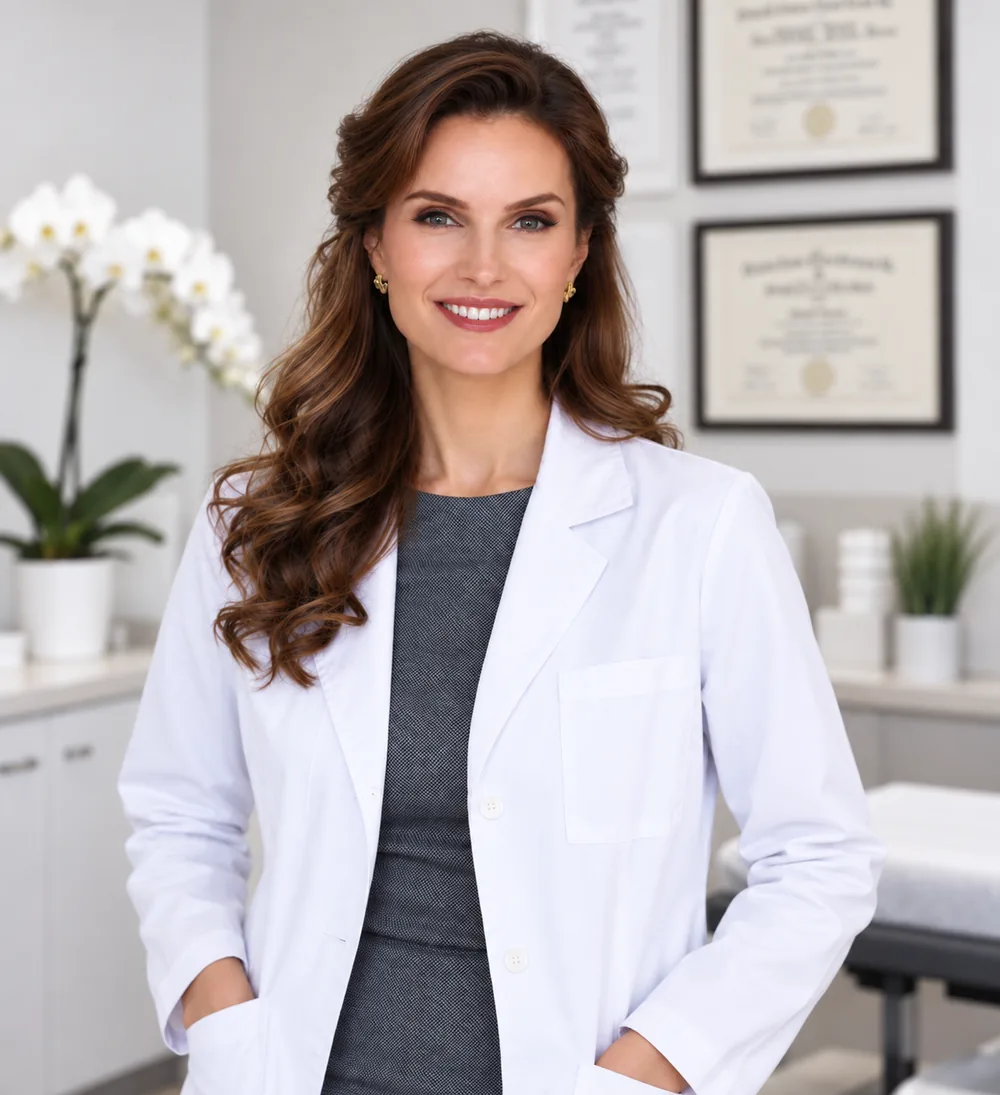

Harvard trained

Nearly two decades in medicine

Root-cause approach
A Note From Dr. Liv
Few areas of medicine carry more hype than stem cells and exosomes, and few deserve more careful honesty. These therapies touch joints, injuries, sexual health, skin and aging itself, which means the right question is never just whether to try them, but why your body needs support in the first place.
That is why your first visit is a medical conversation, not a procedure. We review your history, imaging or labs where relevant, and talk through what the current evidence supports for your specific goal, including the option of not treating at all.
When regenerative therapy does make sense, it works best as one part of a doctor-led plan that also addresses hormones, inflammation, nutrition and recovery. My commitment is simple: clear information, careful sourcing and no exaggerated promises.
Dr. Liv Uslar, MD/PhD
Frequently Asked Questions