
Circulation & Sexual Health
Research explores effects on local blood flow. Its role in ED care remains investigational and does not replace a medical evaluation.
Treatments at Transformity Health
Targeted Light. A Thoughtful Approach to Your Health.
Explore a non-invasive treatment that uses red and near-infrared light, with recommendations guided by your health history and goals.
Light-Based Treatment
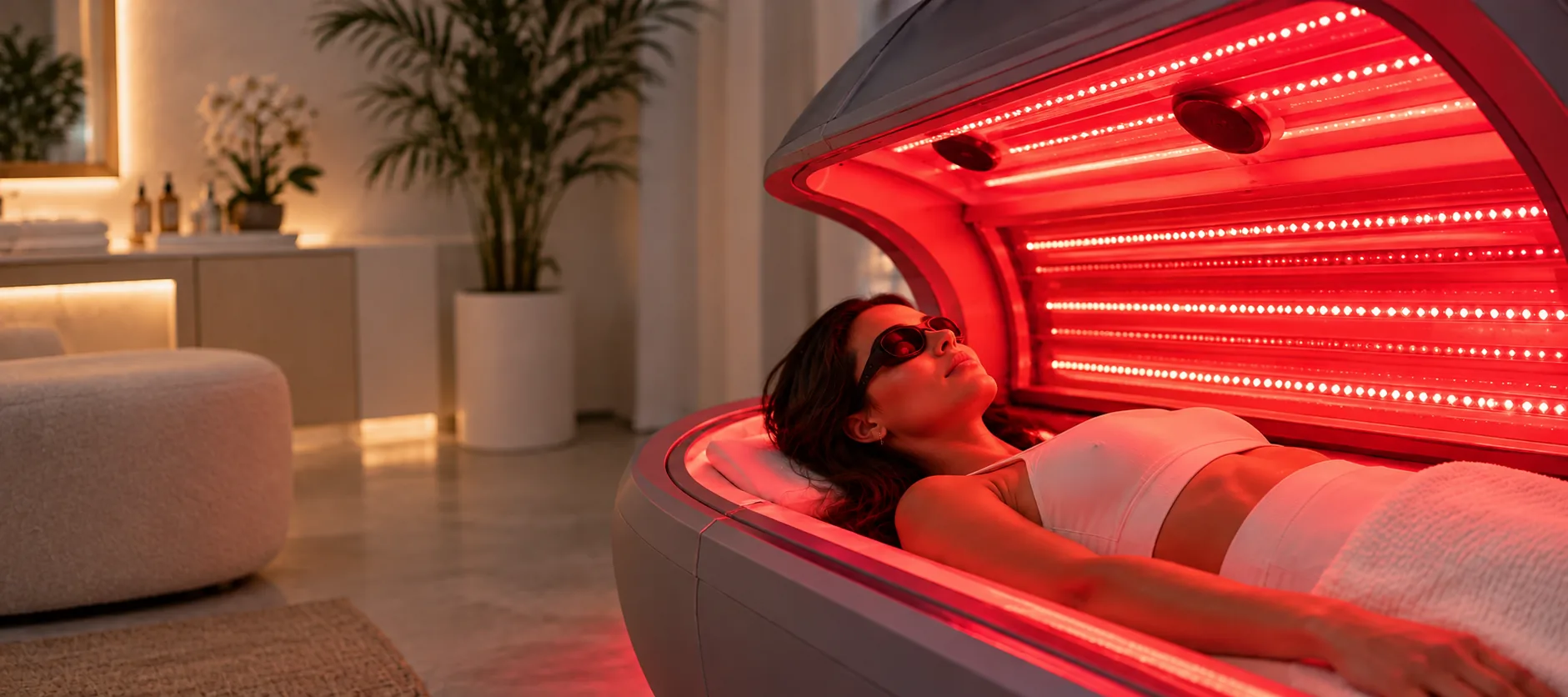
Red light therapy, also called photobiomodulation, delivers precisely calibrated red and near-infrared wavelengths into the body's tissues. Your mitochondria absorb that light energy and use it to power the respiratory chain that produces ATP, the fuel every cell runs on. With more energy available, cells can repair, regenerate and do their jobs more efficiently.
The effect goes beyond energy. The light helps calm oxidative stress by bringing reactive oxygen species back into balance, and it influences the signals cells use to coordinate healing. It also reaches fibroblasts and other repair cells, encouraging collagen and elastin production and a healthier inflammatory response.
Red light also supports microcirculation. Gentle widening of small blood vessels improves flow, bringing in more oxygen and nutrients while clearing out waste, which helps tissue repair and remodel. Because the light is non-thermal and non-invasive, all of this happens without harming healthy tissue and without downtime.
Put simply, red light therapy uses light as a biological signal: it helps your cells make more energy, keeps inflammation in check and strengthens your body's natural ability to repair and stay resilient.
Potential Benefits
From skin health to recovery, red light therapy is being explored for several applications. Here is how those potential benefits may fit into a personalized care conversation.
Research explores effects on local blood flow. Its role in ED care remains investigational and does not replace a medical evaluation.
Early research examines cellular activity in reproductive tissues. Improvements in egg quality or fertility are not established benefits.
Light can influence mitochondrial activity and ATP production. This mechanism alone does not establish weight loss or metabolic improvement.
Certain applications may help with discomfort and inflammatory responses. Suitability and evidence depend on the condition being treated.
Some studies explore reduced muscle soreness and recovery support. The device, timing and treatment settings can affect results.
Sleep and neurological applications are emerging areas of research, not established outcomes of a routine red light session.
Some studies suggest improvements in skin texture and signs of aging, including fine lines, with appropriate treatment protocols.
Researchers study effects on oxidative stress and cellular signaling. A general boost in immunity or everyday energy is not established.
Collagen-related effects are being studied for skin appearance. Evidence for stretch marks is limited, and results can vary.
Light sensitivity, medications and your medical history can affect whether treatment is appropriate. Eye protection and device-specific instructions matter. Discuss these factors with your clinician before starting.

Harvard trained
Nearly two decades in medicine
Root-cause approach
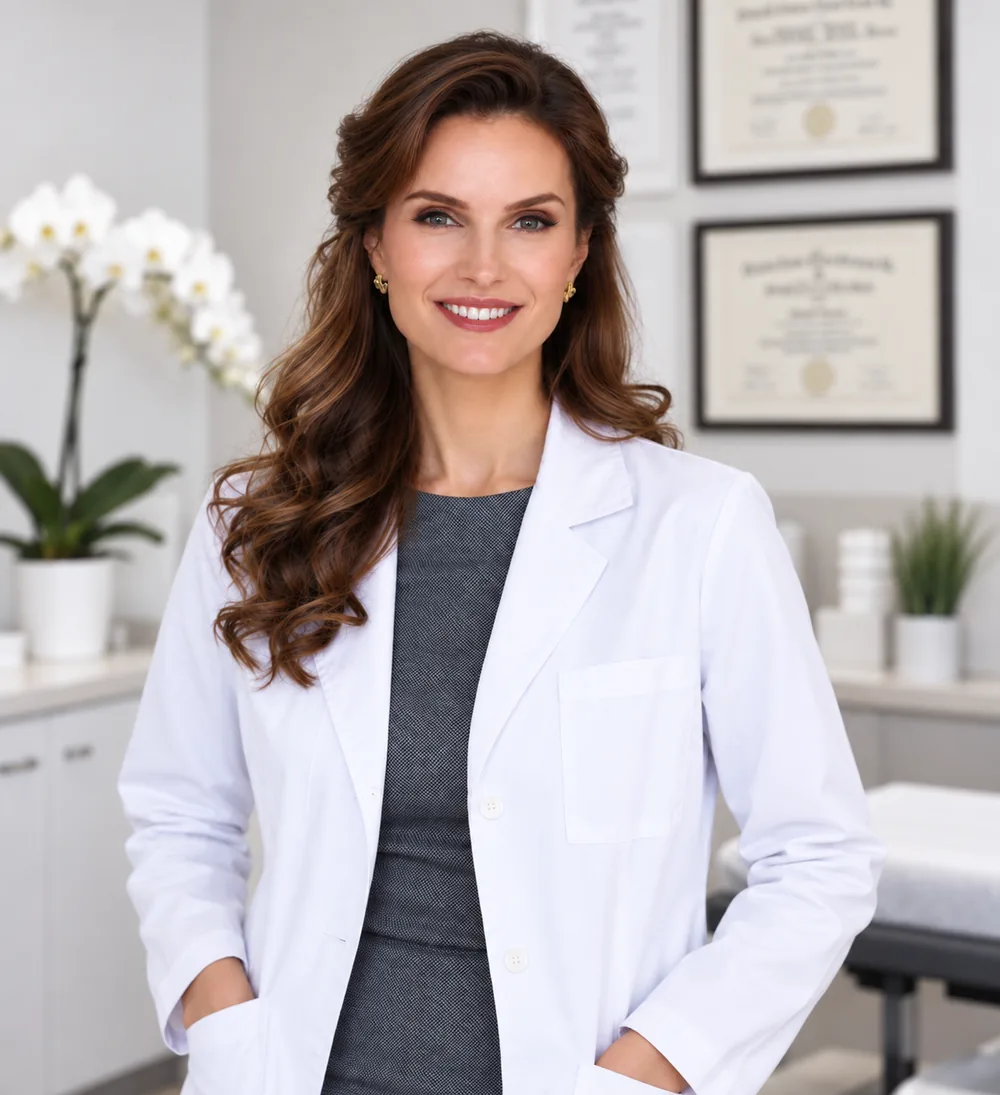
A Note From Dr. Liv
A treatment should have a clear purpose in your care. Before considering red light therapy, it is important to understand what you hope to improve and whether another health issue needs attention first.
Dr. Liv’s whole-person approach looks beyond a single symptom. Your history, medications, current concerns and existing care all provide context for a personalized discussion of treatment options.
Red light therapy may complement an appropriate plan, but it should not replace a diagnosis, necessary medical treatment or the everyday foundations of health. The goal is a thoughtful recommendation, not a one-size-fits-all protocol.
Dr. Liv Uslar, MD/PhD
Frequently Asked Questions